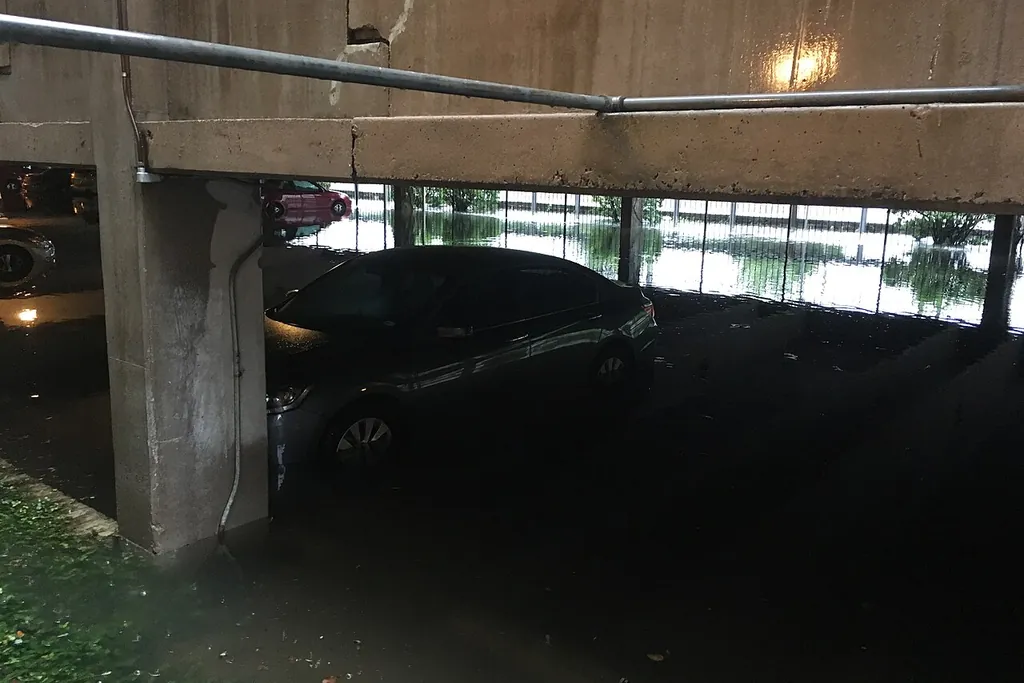
Before the season
Hurricane season runs from June through November. Batteries are one of the easiest things to check before a storm, and one of the most annoying to find dead after.
- Test the car and truck batteries. You may need to drive away, or drive somewhere for supplies, with little notice.
- Charge golf carts, boats and RVs fully.
- Start the generator and check its battery if it has electric start.
- Check backup batteries for sump pumps, medical equipment and security systems.
- Keep a charged jump pack in the house.
When a storm is coming
- Fill the gas tanks.
- Park vehicles on the highest ground you can, away from trees.
- Put golf carts and mowers somewhere they will not float.
- For boats, follow your marina's storm plan and make sure the bilge pump battery is charged.
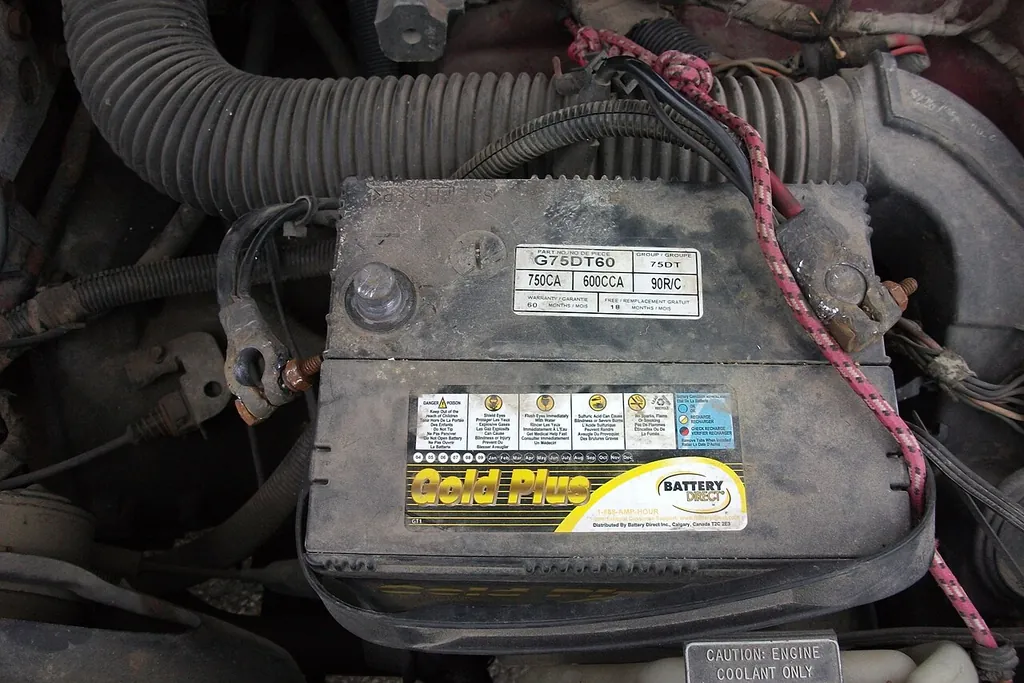
After high water
If a vehicle, golf cart or mower sat in floodwater, do not try to start it. Water and silt in the electrical system and the engine can cause serious damage the moment power is applied, and wet wiring can short.
- Disconnect the battery, negative cable first, if it is safe to reach.
- Do not charge or jump a battery that has been underwater.
- Get the vehicle inspected before anyone tries to start it.
Floodwater and lead-acid batteries are a bad mix. A battery that was submerged should usually be replaced and recycled.
After the power comes back
Batteries that ran pumps, generators and backups through an outage may have been drained deeply. Recharge them fully and test them. Deep discharges shorten the life of lead-acid batteries.
Houston has seen major flooding from storms like Harvey in 2017. A little preparation makes the days after a lot easier.
Related questions
Should I disconnect my car battery before a hurricane?
Not usually, unless you expect the car to flood. Keep it charged so you can drive.
Can you replace a battery in a flooded car?
We can disconnect and remove it, but the car needs inspection before anyone tries to start it.