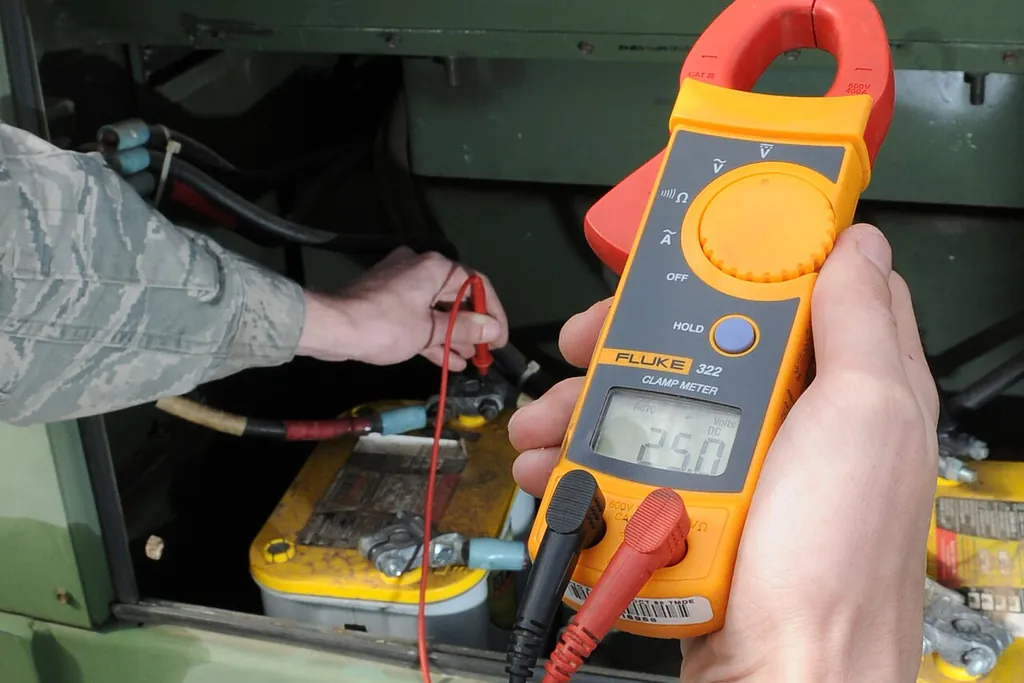
Three usual causes
When a vehicle starts fine one day and is dead the next morning, it is usually one of three things:
- A worn battery that cannot hold a charge anymore.
- A charging problem, so the battery never gets fully refilled while you drive.
- A parasitic drain, something pulling power after the car is shut off.
Rule out the easy ones
Before anything else, look for the simple things: a dome light, a trunk or glove box light that stays on, a phone charger or dash cam plugged into an outlet that stays live, a door that is not fully shut.
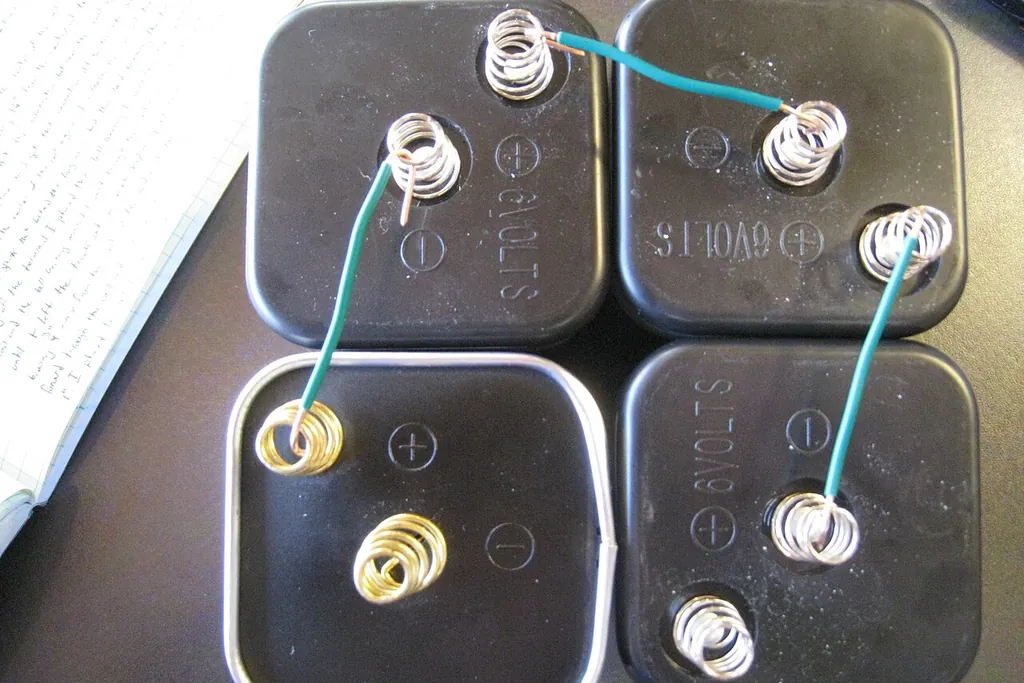
How a drain test works
Modern vehicles keep a lot of modules awake for a while after you lock the car. A proper test waits for them to go to sleep, then measures the current the car is still drawing. A small amount is normal for clocks, alarms and memory. A lot more than that will flatten a battery in a day or two.
If the draw is too high, we pull or measure across fuses one circuit at a time to find which one it is on, then narrow it down from there.
Common culprits
- Aftermarket stereos and amplifiers wired wrong.
- Dash cams and trackers wired straight to the battery.
- Trailer brake controllers and accessory wiring on trucks.
- Modules that do not go to sleep, often after a repair or a water leak.
- A bad diode in the alternator, which can let current flow backward.
Not just cars
Golf carts, boats and RVs have their own drains: a cart with a meter or radio that stays on, a bilge pump that cycles, an RV propane detector and control board. Same idea, same test.
What it costs to ignore
Every time a lead-acid battery goes completely flat, it loses some of its life. A drain that kills the battery every few days will ruin a new battery quickly. Find the drain first.
Related questions
Can a bad alternator drain a battery overnight?
Yes. A failed diode in the alternator can draw current with the car off.
Is a small drain normal?
Yes. Clocks, alarms and memory use a little. The question is how much.