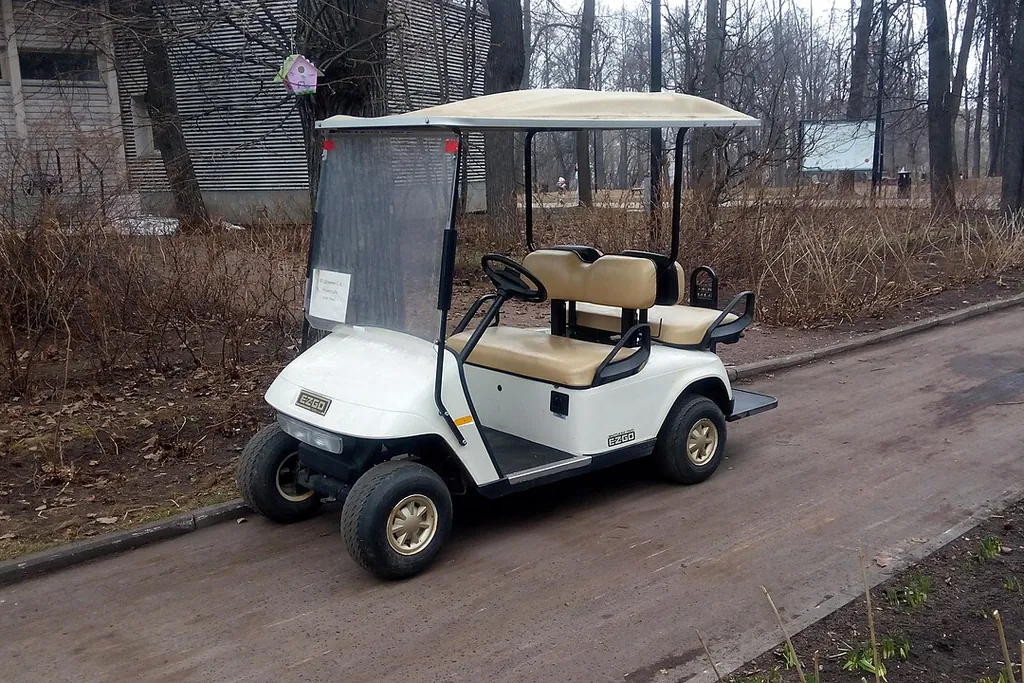
Flooded batteries need water
Most golf carts still run flooded lead-acid batteries. They lose water as they charge, and they lose it faster in the heat. When the plates are exposed, that part of the battery stops working for good.
- Check the water about once a month, more often in summer.
- Add distilled water only, and only after charging, unless the plates are showing. Then add just enough to cover them, charge, and top off.
- Fill to the level marked in the cell, usually just below the bottom of the fill well. Overfilling makes the battery spill acid when it charges.
Charge after every use
Lead-acid batteries like to be full. Plug the cart in after you use it, even for a short ride. Letting a set sit half-empty for days causes sulfation, which slowly kills the capacity.
Do not unplug the charger halfway. Let it finish.
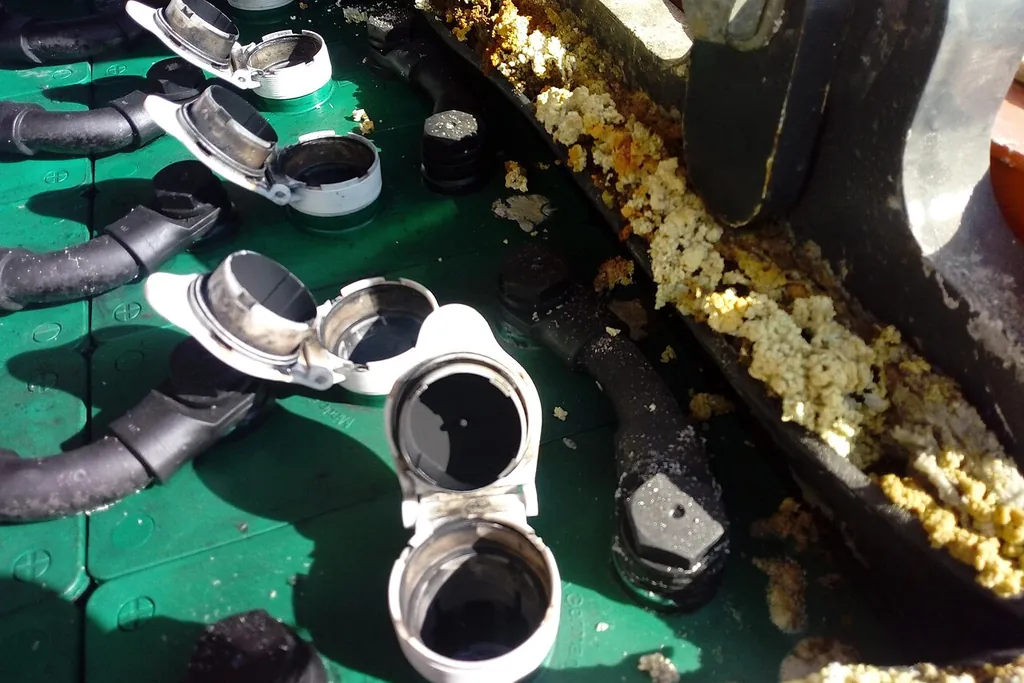
Keep it clean
Dirt and acid residue on top of the batteries can let a small current leak across them. Clean the tops and connections with baking soda and water a few times a year, and keep the cables tight.
Summer and storage
A cart in a closed garage in July is sitting in an oven. If you are leaving for a few weeks:
- Charge it fully first.
- Leave it plugged into a charger that maintains it, if the charger supports that, or use the tow/maintenance switch per the manual.
- Check the water before you go.
Signs the set is wearing out
- Shorter range than last year.
- The cart slows on hills it used to climb easily.
- One battery gets hot, swells or needs a lot more water than the others.
- The charger runs much longer or never finishes.
We test each battery under load and tell you whether the set has life left. See golf cart batteries.
Related questions
Can I use tap water in my golf cart batteries?
Distilled water is the safe choice. Tap water carries minerals that can build up in the cells.
Should I leave the cart plugged in all the time?
With most modern automatic chargers, yes. Check your charger manual.