What it is
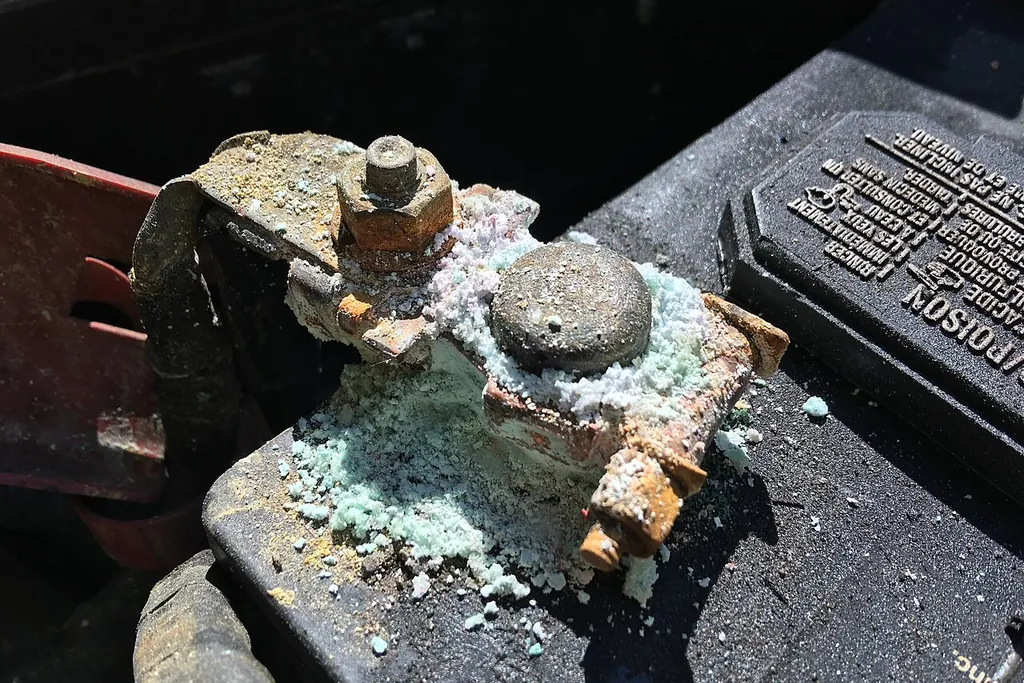
The crust on a battery terminal is mostly lead sulfate and, on copper parts, copper sulfate, which is why some of it looks blue or green. It forms when tiny amounts of acid vapor escape from the battery and react with the metal around the posts.
Why it matters
Corrosion is a poor conductor. Enough of it between the post and the clamp and the starter cannot get the current it needs. The car clicks or does nothing, even with a good battery. It also makes the alternator work harder to charge the battery.
Why Houston makes it worse
Heat speeds up the reactions inside the battery and the venting that leads to corrosion. Flooded batteries in hot engine bays corrode faster than the same batteries in a cooler climate.
Cleaning it safely
- Wear gloves and eye protection. The crust can carry acid.
- Disconnect the negative cable first, then the positive.
- Neutralize the crust with a baking soda and water mix and scrub with a terminal brush.
- Rinse lightly, dry, and reconnect positive first, then negative.
- Protect the terminals with a spray or felt washers.
If the clamp is cracked, eaten away or the cable is green inside the insulation, cleaning will not fix it. It needs replacing. See battery cables and terminals.
When it is a warning sign
A little corrosion over a few years is normal. Heavy corrosion that comes back in weeks can mean overcharging, a cracked case or a leaking post seal. Test the charging system too.
Golf carts and boats
Golf cart and boat banks have many connections close to the batteries, and they corrode the same way. One bad link can heat up and melt a post.
Related questions
Can I just pour soda on it?
It is a myth that works poorly. Baking soda and water neutralizes the acid properly.
Does corrosion mean I need a new battery?
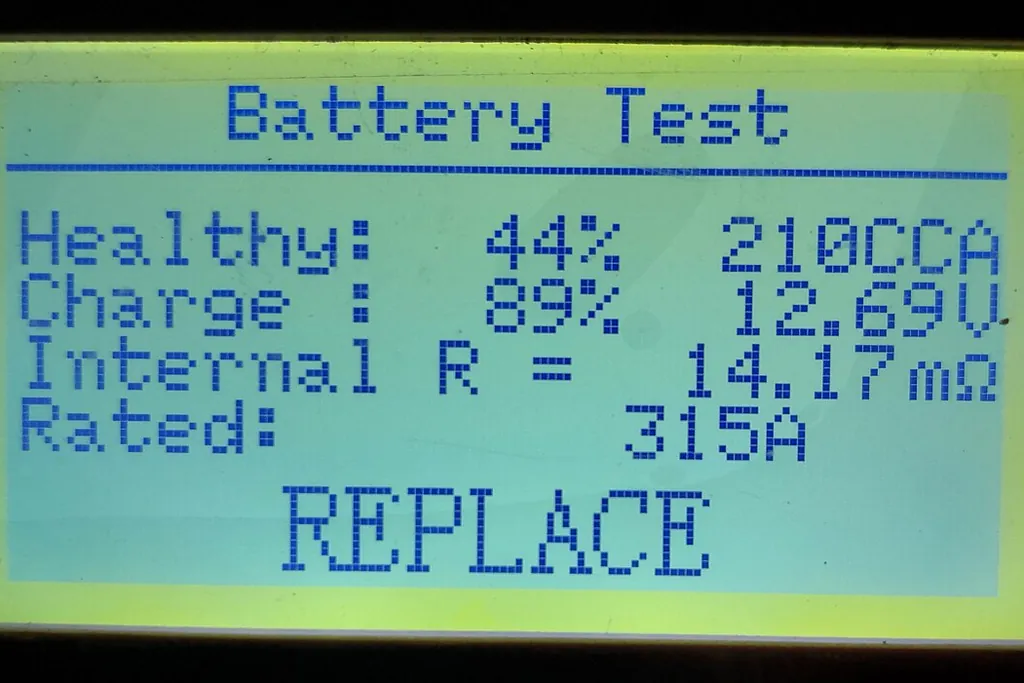
Not always. It can mean the battery is venting from age or overcharging. Test it.